SaysockRFQ
K socks custom manufacturing programsProduction-ready RFQ programs for importers, distributors, and retail-ready buyers
Buyer-ready production reviewRequest quote

Request production quote

Turn the first inquiry into a production-ready B2B brief instead of a vague contact message.

This page is the main RFQ entry point for Saysock. It should help buyers submit enough commercial context that the first reply can move toward sampling, QC, packaging, and shipment planning immediately.

Best fitImporters, distributors, retail-ready brands
Required contextQuantity, market, timing, packaging
GoalMove the first reply toward a real production path
RFQ preparationBring enough buyer context that the first reply can move straight into production logic
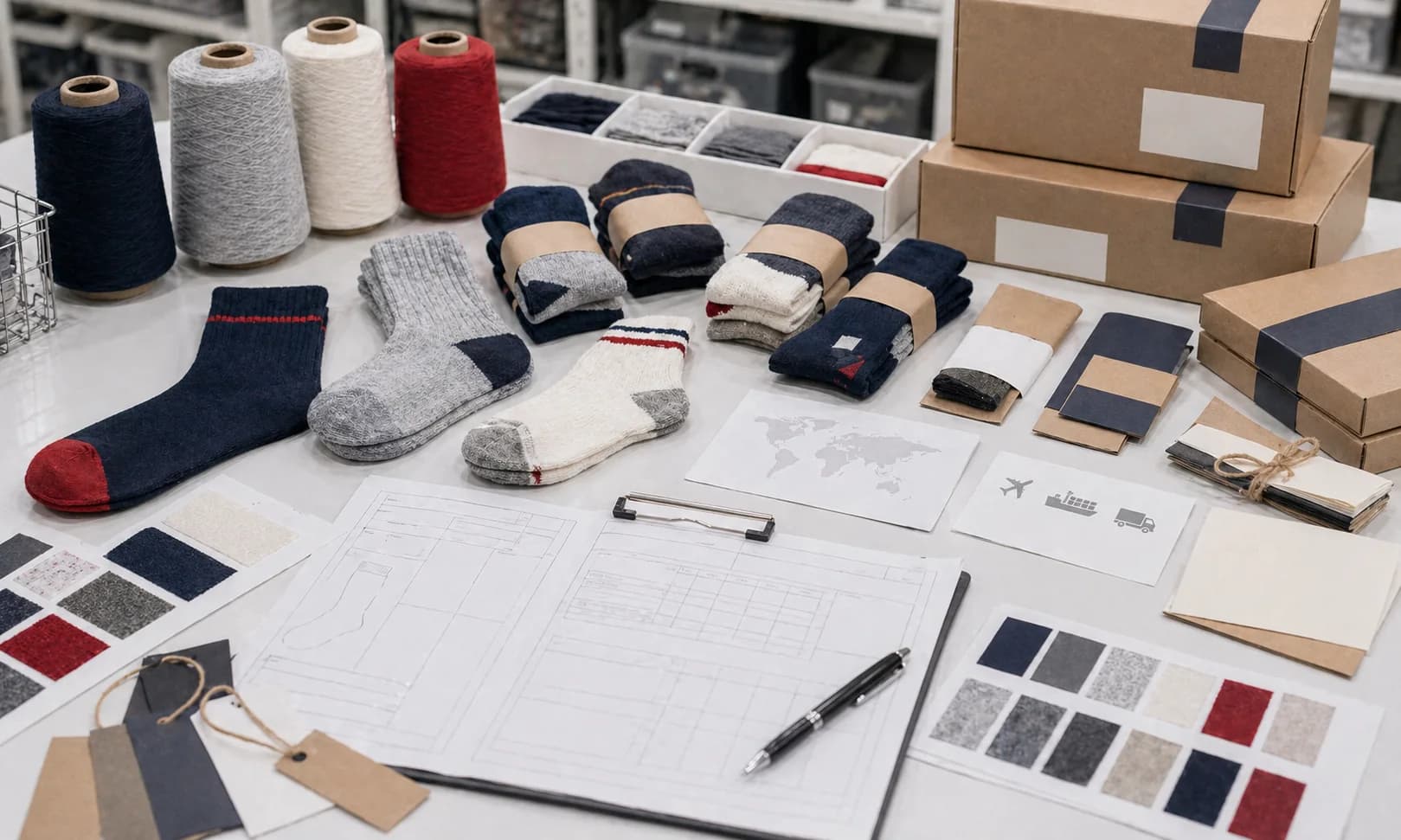
Production RFQ handoff visual with product, quantity, packaging, destination, and timeline lanes
Better first inputs create a cleaner sample, QC, and shipment path.
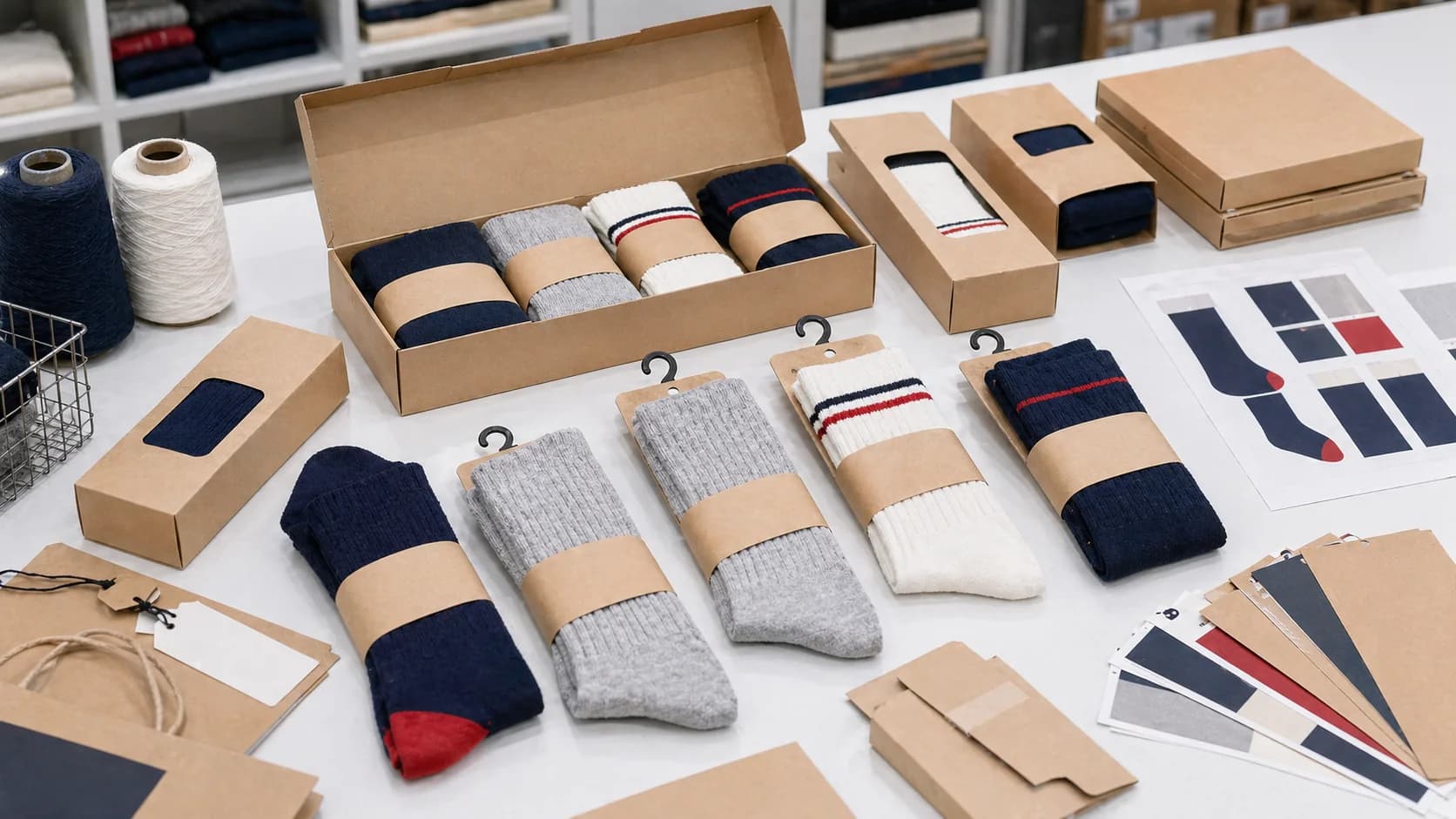
Private label packaging system showing socks, bands, hang tags, and carton inserts

Packaging and destination should already be part of the first real quote path.

The best request pages feel like an operator handoff: product, market, packaging, timing, and destination all visible before sampling starts.

Use the quote route like an operator handoff, not a loose inquiry page.

The goal is to give the first reply enough structure that it can move toward product, sampling, pack-out, and shipment decisions without another round of baseline clarification.

  • State the product family, quantity band, and target market
  • Name timing, destination, packaging expectations, and any certification needs
  • Use the reference link, artwork files, or optional visual draft only to sharpen the commercial brief

What this route improves

A dedicated quote page keeps the conversion path cleaner across the site.

Why this route exists

The buyer should not need to scroll back through the homepage to find the real RFQ. A dedicated route keeps the request focused and makes the conversion path more predictable across product, guide, and proof pages.

What makes a strong first brief

The strongest inquiries already name the market, quantity band, target timing, product type, and whether packaging, documentation, or destination constraints belong in the first quote path.

What the first reply should unlock

A good first response should move directly into sampling logic, approvals, pack-out scope, and shipment framing instead of asking the buyer to restate the same basics again.

RFQ quality bands

Use the form like a production handoff: the stronger the band, the faster the first reply can get specific.

The first reply can move toward sampling, QC, pack-out, and shipment logic.

Use this band when the buyer has enough commercial scope, timing, destination, material, packaging, and documentation context to support a useful production answer.

The brief is usable, but a few inputs will still slow the first reply down.

Use this band when the commercial frame exists but artwork, pack-out, documentation, destination, or sample-stage context still needs one cleaner pass.

The brief needs more buyer-side structure before a precise quote path is realistic.

Use this band when too many baseline signals are still vague: product family, market, destination, timing, material, packaging, documentation, or project detail.

Build the production review brief packet before the first reply.

This route is a production review entry point. It should carry the buyer inputs that make the first response useful for sampling, pack-out, documentation, and shipment planning.

  • product type
  • quantity band
  • target market
  • material or construction direction
  • packaging expectation
  • timeline
  • destination
  • documentation requirements

Before the form

Use the message to connect the product idea to a reviewable production path.

Keep the request anchored to one product family, one quantity band, one market, one packaging direction, and one delivery assumption. The optional visual draft can support that packet, but it should not replace the buyer-side production context.

Operator cue

Route the accepted RFQ by packet readiness, not by generic contact priority.

Tighten the few missing packet inputs below so the next reply does not reopen baseline questions.

Production RFQ

Request a production review.

Use the RFQ route to turn a custom sock idea into a K socks production review brief. Include product type, MOQ, target market, material direction, packaging, timeline, destination, and documentation requirements so the first reply can move toward sampling or quotation.

  • Share product type, quantity band, target market, and launch timing
  • Add material direction, packaging needs, destination, and documentation scope
  • Receive a clearer sampling, QC, pack-out, and shipment path

Operator handoff preview

The submitted RFQ becomes a queue signal, a source context, and a focused follow-up plan.

First reply should ask for focused follow-up files or packet details before quote depth.

Artwork and reference pack

Send one preferred logo file set, placement notes, and only the references that should carry into the sock.

Open artwork prep

Material and pack-out direction

Clarify material priority, packaging tier, label logic, and whether bulk, sleeve, retail, or gift-ready pack-out is expected.

Open packaging prep

Destination and release path

Add target destination, delivery region, carton constraints, and any importer-side notes.

Open shipment prep

File-pack shortcut

If the reference files are messy, send a smaller pack with a clear purpose.

Private-label shelf-ready follow-up

Use this when the RFQ is already in and the team still needs to add cleaner retail-facing artwork, packaging, and barcode support files.

Promotional run follow-up

Use this when the product direction is clear but the team still needs to send simpler branded references, gift-kit pack-out examples, or revised timing notes.

Open follow-up files

Header CTA

Buyer opened the RFQ from the global header.

Use the Project Brief to make the first production reply specific.

Commercial frame

Confirm the product family, quantity band, buyer role, and target market.

Production path

Connect timing, sample stage, destination, and pack-out expectations.

Risk notes

Call out compliance, labeling, retail packaging, or delivery constraints early.

File support

Point to artwork, reference links, or follow-up files that should guide review.

Optional visual draft

Use this only if a quick product direction will help the first review. It is optional and should not replace the commercial brief above.

2 / 6 buyer signals are ready

The brief is still early. Clean up the buyer inputs before expecting a precise first quote path.

Still early
Commercial scope

Role, product family, and quantity band should already be visible.

Ready
Market and destination

Target market and shipment destination keep the first reply commercially grounded.

Needs work
Timing and sample stage

The factory should know whether the team is still exploring or already moving toward sampling.

Ready
Artwork package

A reference link, cleaned artwork file set, or stronger stage signal removes proof ambiguity.

Needs work
Material and packaging direction

Material and pack-out should be clear enough that the first quote does not reopen basic product choices.

Needs work
Brief depth

The project brief should explain the real problem, not only list a category and quantity.

Needs work

Need one operator pass across brief, files, pack-out, documentation, and shipment? Open buyer checklist.

The stronger the brief is on role, quantity, timing, packaging, certification needs, and destination, the faster the first production reply can become.

Need a tighter brief first?

Use the surrounding self-service surfaces before you submit.

Buyer checklist

Open one operator checklist first if the team needs a single pass over brief, files, pack-out, documentation, and shipment inputs.

Open buyer checklist

Follow-up files

Open follow-up files if the brief is mostly there but the attachment pack still needs cleaner naming, grouping, or next-step notes.

Open follow-up files

Artwork prep

Open artwork prep if files, logo placement, or brand references still need cleanup before the first production quote.

Open artwork prep

Documentation prep

Open documentation prep if certification, audit, retailer, or importer requirements still need to be scoped before the first quote request.

Open documentation prep

Quote prep

Use the buyer-prep checklist if the team still needs to tighten quantity, timing, packaging, or destination before sending the RFQ.

Open quote prep

Packaging prep

Open packaging prep if wraps, labels, cartons, or retail-facing presentation still need a cleaner buyer-side decision before submission.

Open packaging prep

Shipment prep

Open shipment prep if delivery window, cartons, or destination assumptions still need tightening before the first quote.

Open shipment prep

Sampling

Review the sample-stage logic if the brief is blocked on proofs, development samples, or pre-production approval expectations.

Open sampling

Process

Review the approval path before sending the inquiry if the team needs a clearer view of how sample, QC, and shipment stages connect.

Open process

Buyer FAQ

Resolve standard MOQ, timing, packaging, and compliance questions before the quote request if the brief is still missing clarity.

Open FAQ

Resources

Use the guide hub to tighten material, fit, and packaging decisions before the first factory reply.

Open resources