SaysockRFQ
Korean custom socks manufacturingProduction-ready RFQ programs for importers, distributors, and retail-ready buyers
Buyer-ready production reviewRequest quote

Manufacturing capabilities

Production, materials, quality, packaging, and shipment planning aligned for retail-ready sock programs.

Use this page as the high-level manufacturing view. Buyers should be able to see how product scope, QC, pack-out, and export planning stay connected before the first sample is approved.

Best fitImporters, distributors, retail-ready brands
Operating threadSample -> QC -> pack -> ship
Production lensKorea-first direct production
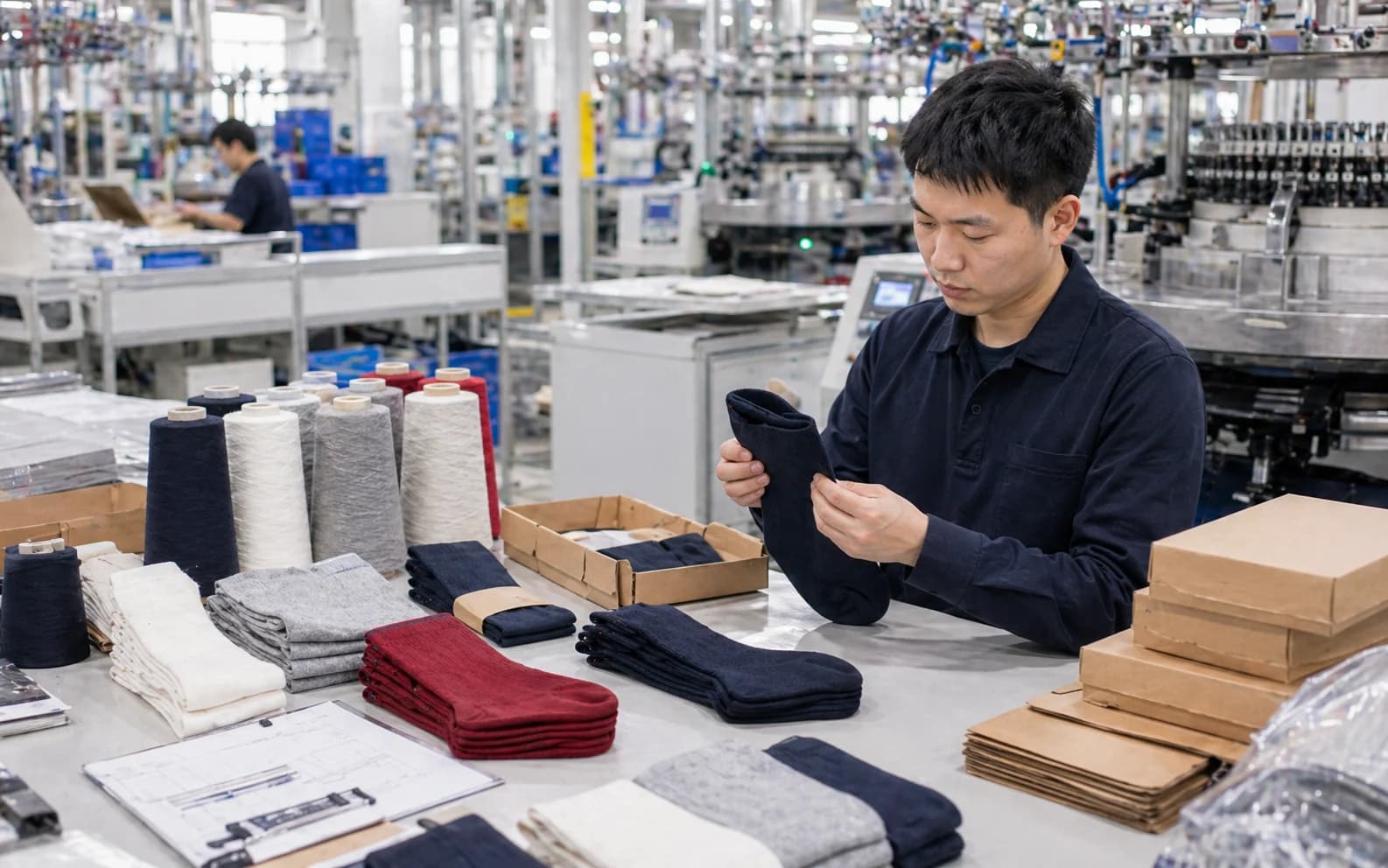
Program capability viewProduct, QC, packaging, and shipment planning belong in one manufacturing surface
Product review scene with sock samples, yarn, cartons, and inspection context
Materials, packaging, QC, and shipment logic should be visible in the first real review.
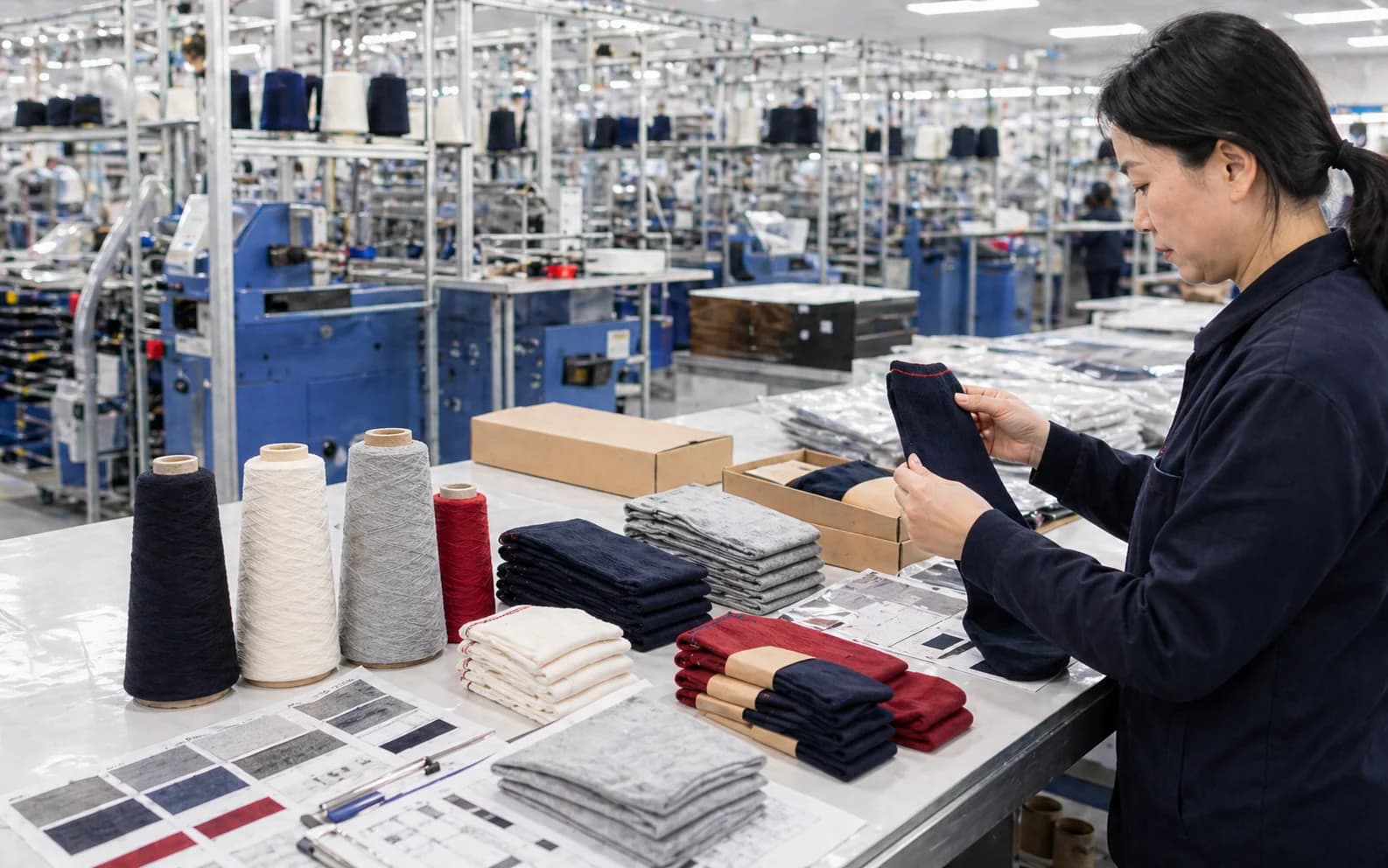
OEM review board showing sock samples, yarn cones, swatches, and packaging scope

Commercial capability is easier to trust when product and material decisions stay in the same thread.

Use the manufacturing conversation to show how approvals, pack-out, and destination planning stay connected before bulk production moves.

Capability should prove how a custom sock program is controlled.

Use capabilities to connect product family, material direction, sample logic, QC, packaging, destination, and RFQ evidence before the first production reply.

  • State the custom sock product route and buyer channel before capability depth expands.
  • Tie material, pack-out, QC, and shipment assumptions to the same production review.
  • Request current workflow proof for the relevant program instead of broad factory theater.

Operating next step

Keep proof tied to the custom sock production review, not a generic trust claim.

Bring product route, quantity band, channel, packaging, destination, and proof requests into the capability review.

Commercial buyer readiness

Use capabilities to make the first RFQ more specific, not louder.

Larger, repeat, distributor, private label, promotional, and documentation-sensitive programs all need the same discipline: make the buyer-side assumptions visible before the first production reply.

For importers and distributors

Bring destination market, quantity band, carton expectations, repeat potential, and any documentation requests so the production path can be reviewed before pricing language gets too broad.

For private label and OEM teams

Keep artwork, material direction, label needs, packaging tier, sample stage, and buyer-file handling in one thread so the first review can separate what is ready from what still needs proof.

For promotional and gifting programs

Start with audience, in-hand timing, logo direction, packaging level, and delivery context so the run stays simple enough to move without overbuilding the product.

For larger repeat programs

Use the first review to separate scale, variation count, destination mix, packaging, and documentation risk without turning that review into a public scheduling or production promise.
Capability lanes

Give each buyer decision a clear path instead of mixing everything into one page.

Product and material direction

Program fit starts with the product family, quantity band, material direction, and how the sock is actually expected to land in market.

Review materials

Quality and compliance discipline

Approvals, inspection, labeling, and documentation should read like an operating path instead of generic badge theater.

Review process and QC

Packaging and retail readiness

Pack-out, sleeves, tags, and cartons belong inside the same commercial conversation as the sock itself.

Review packaging

Shipping and export planning

Shipment timing, cartons, and destination assumptions should be visible before bulk release so the buyer can judge launch risk clearly.

Review shipping

Capability checklist

Use the first production review to scope the full commercial path.

Buyers move faster when the early review covers how the product is built, checked, packed, and shipped instead of forcing those decisions to surface in separate conversations after sampling starts.

  • State the end market, quantity range, and launch window in the first brief
  • Scope packaging, labeling, and shipment logic before sample approval is locked
  • Use materials, QC, and documentation questions as part of the same production review
  • Keep export and retail-readiness requirements visible instead of treating them as late-stage exceptions
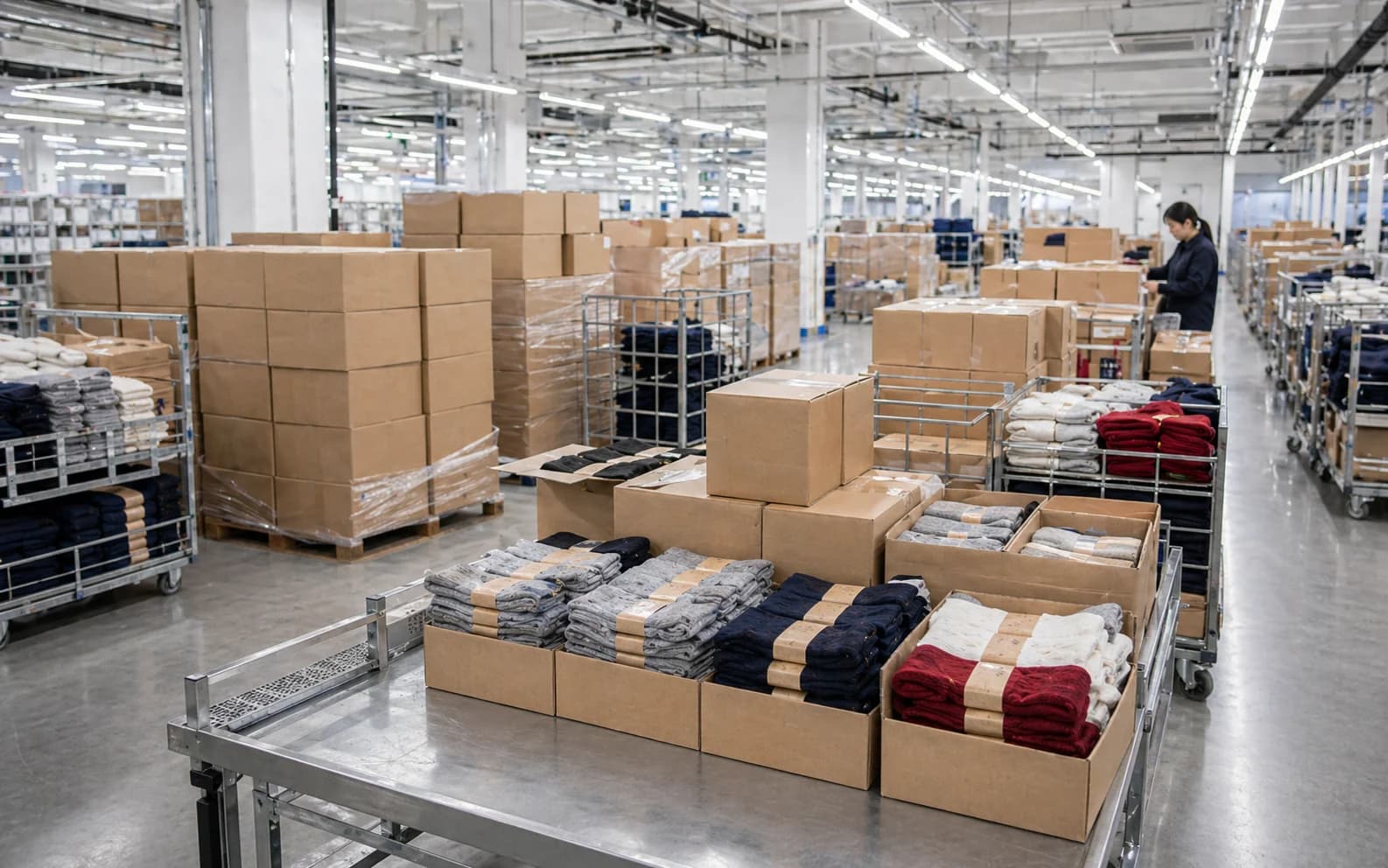
Product and shipment fitThe capability story is stronger when product, pack-out, and destination assumptions stay aligned
Pack-out planning scene with cartons, staged sock bundles, and shipment-ready context

A buyer-facing capability page should help the team see how approvals, QC, and shipment timing sit inside the same operating path.

Working rules

Keep capability language operational and buyer-facing.

Scope the whole program, not just the sock

The stronger buyer conversation covers product, approvals, QC, packaging, and destination in one operating thread instead of treating each step as a separate vendor handoff.

Use documentation where claims need proof

Capabilities, audits, and certifications only help when the buyer understands what can be confirmed per facility, per program, and at what stage of the quote path.

Keep the first reply commercially useful

A strong first response should explain sample logic, packaging fit, review checkpoints, and shipment timing in language the buyer can act on immediately.

Proof requests

Ask for the proof that actually helps the first production decision.

The best proof is the proof that helps the buyer move forward on the specific program. Use the first review to request current workflow, QC, packaging, and documentation context instead of relying on broad marketing signals.

Current production workflow context for the relevant product family
QC checkpoint explanation tied to the sample and shipment path
Packaging and labeling examples matched to the target channel
Program-specific documentation path for compliance-sensitive buyers

Production signals

Use capability proof to answer how the program will be controlled.

Strong capability pages do not just list what a factory can make. They show how network fit, sample continuity, pack-out, and buyer confidentiality are handled before the order carries real risk.

Network fit

Confirm whether the program belongs on the direct Korean production path or needs secondary Zhuji production and inspection support before capacity language is used publicly.

Sample-to-bulk continuity

The factory path should explain what changes between proof, development sample, pre-production approval, and bulk release so the buyer understands where risk is removed.

Pack-out and export readiness

Packaging, carton logic, labeling, and destination assumptions belong in the capability review because they affect timing, documentation, and buyer confidence.

Confidential buyer handling

Artwork, references, packaging examples, and customer-side launch files should stay inside a controlled production thread rather than becoming public-facing proof.

Need the capability view before quoting?

Send the market, quantity, packaging, and timing context in one production brief.

Request production quote