SaysockRFQ
Korean custom socks manufacturingProduction-ready RFQ programs for importers, distributors, and retail-ready buyers
Buyer-ready production reviewRequest quote

Buyer FAQ

Answer the sourcing questions that usually slow custom sock programs down.

The FAQ page should make early buyer questions easier to resolve before they turn into vague quote requests. Keep answers operational, short, and tied to the program path.

FocusMOQ, timing, packaging, fit
Best fitSelf-qualifying B2B buyers
Next moveTurn answers into a tighter brief
Buyer self-serviceUse the standard questions to tighten the brief before the first reply
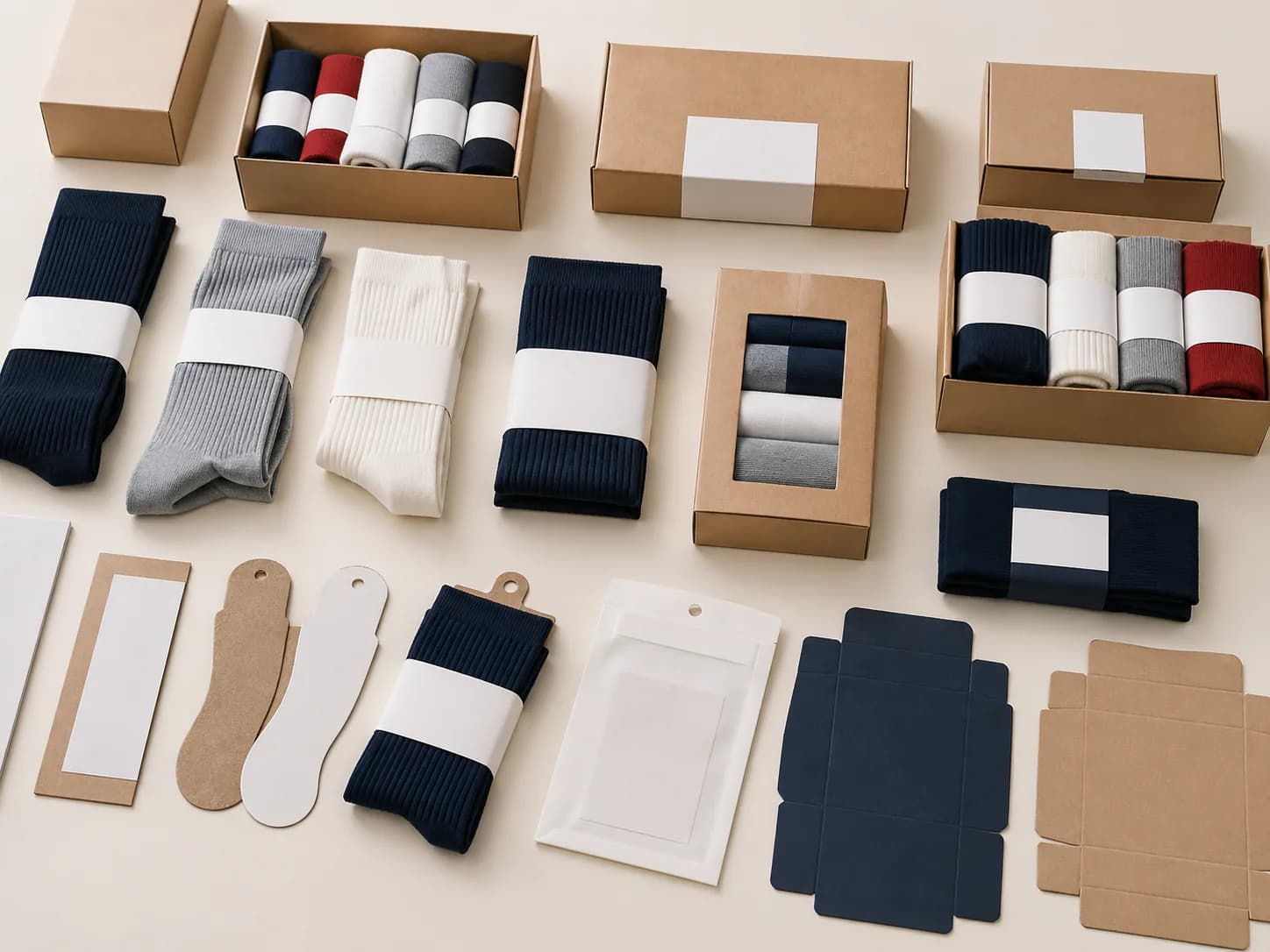
Structured packaging grid with grouped socks and retail-ready pack-out formats

The FAQ works best when it behaves like a practical sourcing surface instead of a hidden footer archive.

Use the FAQ to clear the basics, then send the production frame.

FAQ traffic often comes from buyers checking MOQ, sampling, packaging, compliance, or timing before they contact a supplier. If the standard answer is close but the program still needs review, move the exact case into RFQ.

  • State which FAQ answer fits and which point still needs confirmation.
  • Bring product type, quantity band, packaging expectation, destination, and timing together.
  • Send the rough frame now when a production reply would answer the real question.

Ready to ask

Turn the search question into a production review.

If the page answered the buyer-side question, send the available commercial frame now. Say what is known, what is still rough, and which production point should be reviewed first.

Start here before you ask the factory for a number.

The fastest quote paths usually start with operational questions: what the product is, where it is going, how it should be packed, and when it actually needs to land.

MOQ and quantity

Use quantity conversations to frame a realistic build instead of chasing a single number with no channel context.

Sampling and timing

Separate proof, sample, approval, and bulk timing so buyers can understand where the project can still change.

Materials and fit

Keep material and fit choices tied to channel, price point, and sell-through instead of treating them as isolated technical details.

Guide shortcuts

Turn recurring questions into cleaner production requests.

If the answer needs more than two paragraphs, it probably belongs in a guide. Use FAQ for orientation and the guide hub for deeper scoping.

MOQ and quantity

Use quantity conversations to frame a realistic build instead of chasing a single number with no channel context.

What is the MOQ for custom socks?

MOQ depends on yarn, construction, packaging, variation count, and destination. Pilot or sample-stage programs may be possible, but bulk planning starts from a realistic commercial brief.

How many colorways should be grouped in a first order?

Start with a range the factory can sample, pack, and approve cleanly. Too many colorways in the first run usually creates more drift than value.

Sampling and timing

Separate proof, sample, approval, and bulk timing so buyers can understand where the project can still change.

How is lead time quoted?

Lead time should be broken into proof, sample, approval, bulk, packing, and shipment stages. That is more useful than one blanket number because each stage carries different risk.

What sample stages actually matter?

Use proof review for direction, development samples for product behavior, and pre-production approval for pack-out and shipment-facing details before bulk release.

Materials and fit

Keep material and fit choices tied to channel, price point, and sell-through instead of treating them as isolated technical details.

How should material preference be described in the first brief?

Use buyer language first: comfort, weight, structure, performance, gifting, or retail feel. The factory can then translate that into yarn direction during review.

When should size and fit be decided?

The broad fit strategy should be clear before sampling begins because size structure affects assortment logic, packaging, and how inventory can actually move in market.

Packaging and compliance

Ask about pack-out and documentation early so they shape the operating path instead of appearing as late-stage exceptions.

Does SaySock support retail-ready packaging?

Yes. Sleeves, wraps, tags, cartons, and other pack-out formats can be scoped with the sock so the product and packaging stay aligned during approvals.

How should certification requirements be raised?

Put them in the first brief. Compliance-sensitive programs move more cleanly when documentation needs are treated as scoped requests rather than vague trust signals.

Buyer fit

The best questions usually come from buyers who already know their market, quantity, timing, and whether the program is retail, promo, or private label.

Who is the best fit for a production review?

Importers, distributors, merch teams, and retail-ready brand programs that can state quantity, timing, market, and packaging direction clearly.

What should be included in the first RFQ?

Company role, target market, quantity band, product type, timing, destination country, packaging needs, and any material or compliance expectations are the most useful starting inputs.

Still need a real answer?

Use quote prep if the standard questions are clear but the RFQ frame still feels loose.

Open quote prepOpen resources