SaysockKOREA
Factory-direct commercial sock programsImporters, distributors, and retail-ready programs
Korea-led production controlRequest quote

Artwork preparation

Tighten logo files, placement, and color direction before the RFQ turns into a decoding exercise.

Use this page to package artwork inputs the way a buyer-facing production review actually needs them. The goal is to explain what the mark is, where it should live on the sock, and how much of the visual direction is already fixed before the first reply starts guessing.

Primary useBuyer-side artwork cleanup
Best fitLogo-led merch, retail, and private-label programs
Main inputsFiles, placement, colors, references
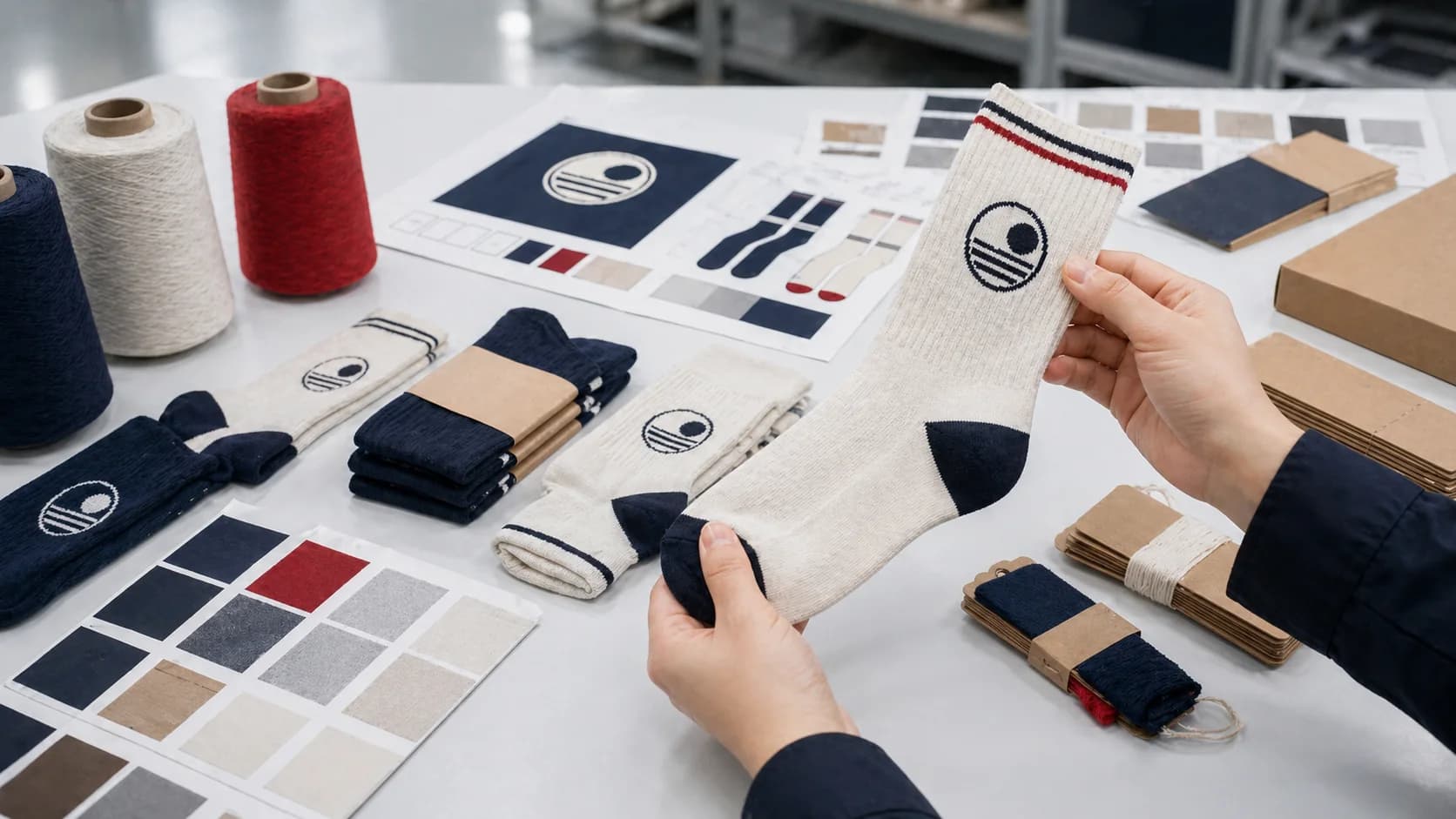
Artwork handoffMake the brand file usable before the factory has to interpret it under pressure
Buyer-facing review desk with grouped sock samples, material references, and brand-file handoff context
One clean mark and one placement intent usually beat a large mixed deck.
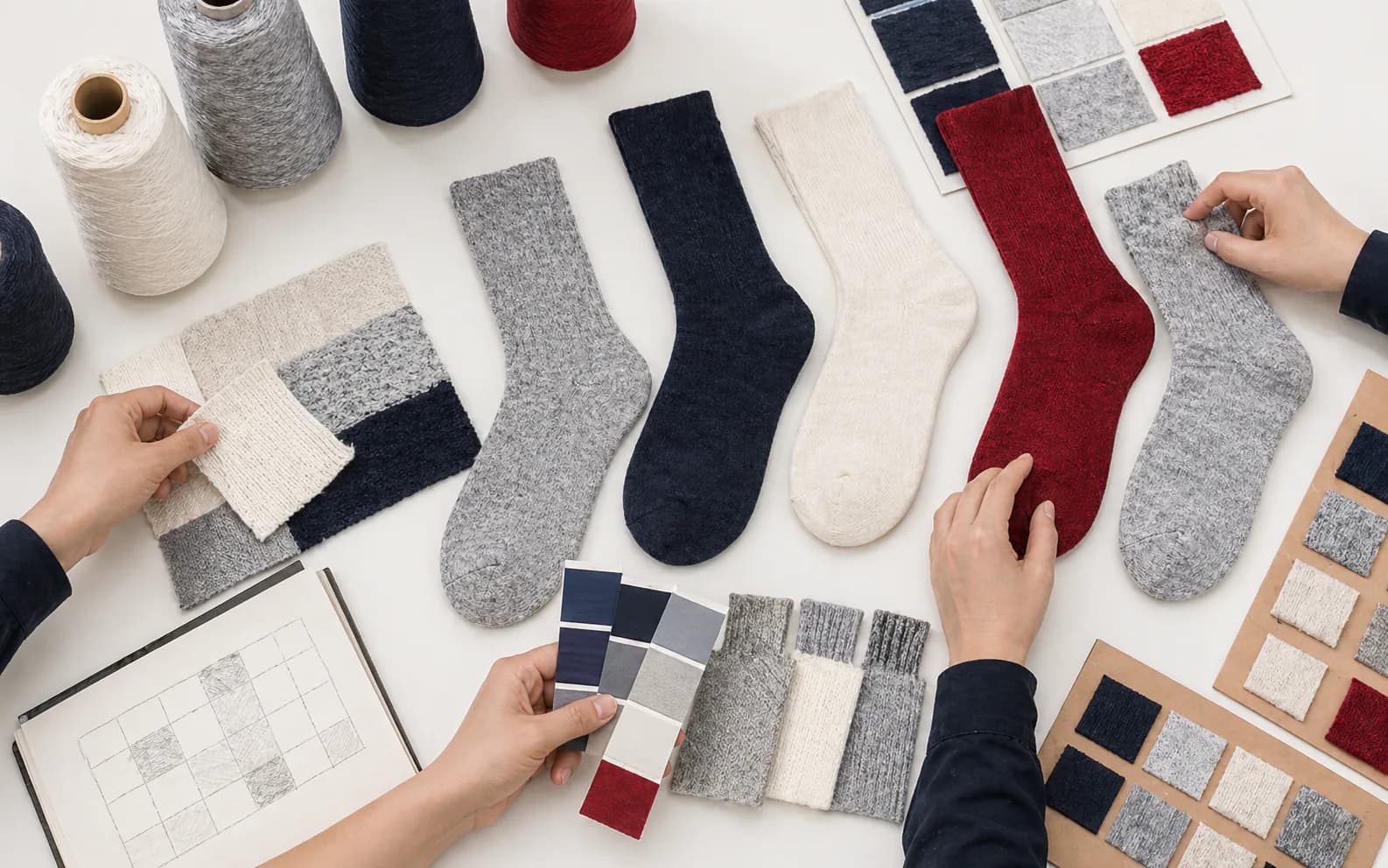
Grouped sock assortment board supporting artwork placement and color direction review

Artwork should be scoped against the actual sock family and channel, not as an isolated logo file.

The cleanest first proof usually starts with one mark, one placement intent, one color direction, and just enough commercial context to keep the product path coherent.

Turn the artwork package into something the first production reply can actually use.

The stronger handoff is usually smaller, cleaner, and more explicit about placement, product family, and how visible the brand mark should feel once the sock is real.

  • Send vector artwork when available, or the cleanest high-resolution file that still shows the actual mark clearly.
  • State the sock family, logo role, and intended channel so the artwork is read as part of the product instead of as a floating file request.
  • Name whether the mark should feel obvious, tonal, minimal, wraparound, or gift-program clean before asking for exact placement.
  • Keep color references narrow enough that the factory can translate them into knit logic instead of guessing from a large mixed mood board.
  • Attach packaging or label expectations if the artwork also needs to carry into wraps, tags, sleeves, or retail-facing inserts.

What this prep page fixes

A cleaner artwork package creates a cleaner first proof path.

What should already be clear before sending the artwork

The buyer should already know the product family, the main use channel, whether the logo is the hero or a supporting mark, and how visible the final product should feel in market.

What can still stay flexible

Exact knit translation, some scale refinements, and secondary color adjustments can tighten after the first proof as long as the mark, placement intent, and channel logic are already visible.

What creates weak first replies

Loose references, too many logo versions, and no explanation of how the brand mark should behave on the product usually force the first factory response back into baseline clarification.

Useful handoff inputs

Keep the first artwork package narrow enough to be translated, not interpreted.

Buyers usually move faster when they send only the files, color logic, placement notes, and packaging carryover that actually belong to this product path.

  • Primary logo or wordmark file plus one clean fallback if the vector is not ready yet
  • Color direction tied to the actual sock family, not a broad brand deck
  • A short note on whether the mark should sit on cuff, leg, sole, or act as a tonal product detail
  • Any packaging or label carryover where the same artwork family must stay consistent

Common misses

Most artwork drift starts before proofing, not during it.

Sending every brand asset instead of the mark that matters

Factories move faster when buyers choose the one logo, wordmark, or lockup that actually belongs on this product instead of forwarding the whole asset folder.

Using references with no explanation of placement intent

A gallery of inspo is weaker than one short note that explains whether the brand mark should read loud, clean, small, premium, or merchandise-first on the sock.

Forgetting that packaging and artwork often belong together

If the same mark needs to flow into sleeves, wraps, or hang-tag-ready systems, that should be visible before proofing starts instead of after the product direction is already locked.

Related routes

Open the adjacent page that still resolves a real artwork blocker.

Artwork handoff guide

Open the guide if the buyer still needs a tighter checklist for files, references, and logo context before the prep route feels clear.

Open artwork guide

Follow-up files

Open follow-up files if the artwork is mostly clear but the buyer still needs a cleaner attachment pack for refs, support files, or packaging carryover.

Open follow-up files

Sampling

Use sampling if the artwork is mostly clear but the team still needs to understand how proof, development sample, and pre-production approval should separate their jobs.

Open sampling

Quote prep

Open quote prep if the artwork is clear but quantity, timing, market, or packaging inputs are still too loose for a real RFQ.

Open quote prep

Request quote

Move to the RFQ once the artwork package is clean enough to live inside the same commercial brief as product, packaging, and shipment context.

Open request quote

Ready to attach the files to a real brief?

Move to the RFQ once the artwork package is clean enough to live inside the same product, packaging, and shipment conversation.

Request production quote